
Safe Work Australia transition to workplace exposure limits
7 August 2026
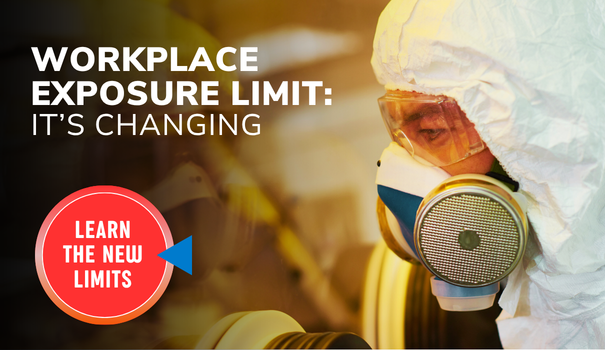
Schools and employees need to be aware of changes to workplace exposure limits coming into effect from 1 December 2026.
Exposure to substances or mixtures in the workplace can occur through inhalation, absorption through the skin or ingestion. Most exposure occurs through the inhalation of vapours, dusts, fumes or gases. For some chemicals, absorption through the skin may also be a significant source of exposure.^
Work processes can release dusts, gases, fumes, vapours, or mists into the air. These are known as airborne contaminants and may be invisible. People that breathe in airborne contaminants at work may be at risk of adverse health effects, including developing an occupational lung disease.*
At schools, common exposure areas include science laboratories, art rooms, maintenance and practical workshops whilst undertaking activities such as: welding and metalwork; woodwork; using paint, solvents, hazardous chemicals or cleaning products; or, working near or having contact with legacy building materials — such as asbestos or crystalline silica.
Persons conducting a business or undertaking (PCBUs) must eliminate or minimise risks in the workplace, so far as is reasonably practicable. This includes risks from airborne contaminants in the workplace and ensuring that workers and others at the workplace are not exposed to levels of airborne contaminants above their workplace exposure standard (WES until 30 November 2026) and workplace exposure limits (WEL from 1 December 2026).*
Over the coming months, SWA will publish a range of further resources to help workplaces prepare for the transition. These will include detailed guidance for employers and occupational hygienists, fact sheets, practical case studies and other supporting materials. The 3 new guides are available now and Safe Work Australia (SWA) have provided an indicative publication schedule for the upcoming resources:
Indicative publication date
July 2026 – published and available now
Guide for PCBUs: Air monitoring and the workplace exposure limits for airborne contaminants
Practical, best practice guidance for persons conducting a business or undertaking (PCBUs), such as employers, to assist them to understand and comply with their duties as they relate to the WEL.
Technical guide: Air monitoring and the workplace exposure limits for airborne contaminants
Practical, audience-specific technical guidance for people undertaking air monitoring and assessing compliance with the WEL, including occupational hygienists and other experts.
Guide to managing the risks of exposure to diesel engine emissions in the workplace
Practical guidance for people working in environments where they may be exposed to diesel engine emissions to help manage the WHS risks of diesel engine emission exposure and comply with the upcoming workplace exposure limit.
August 2026
New Hazardous Chemical Information System (HCIS)
SWA is currently upgrading the HCIS to assist with the transition to the WEL. The new system will feature a modern and refreshed look, a single search engine for relevant chemical data (with Globalised Harmonised System (GHS)) and WEL data displayed on one page), and compatibility with different devices, including mobile phones and tablets.
September 2026
Updated model Codes of Practice
The below list of existing model Codes of Practice will be updated to reference the WEL and links to any new guidance.
- How to manage work health and safety risks
- How to safely remove asbestos
- How to manage and control asbestos in the workplace
- Excavation work
- Demolition work
- Confined spaces
- Managing risks of hazardous chemicals in the workplace
- Spray painting and powder coating
- Abrasive blasting
- Welding processes
- Labelling of workplace hazardous chemicals
- Preparation of safety data sheets for hazardous chemicals
- Managing noise and preventing hearing loss at work
- Healthcare and social assistance industry
- Managing risks of respirable crystalline silica in the workplace
October 2026
Airborne contaminants case studies
Four practical case studies explaining concepts relating to exposure limits and the management of hazardous chemicals. Topics will include risk assessments, compliance with the WEL, how to engage an occupational hygienist, and more.
Man-made vitreous fibres fact sheet
A fact sheet to assist people working with man-made vitreous fibres (MMVF), also known as synthetic mineral fibres (SMF), to identify the substance and determine which legislative frameworks apply.
What this means for your workplace
Members working in environments are subject to WES/WEL should discuss these new limits with their employer. It is likely that new signage will be required to reflect the changes here.
If you would like to be notified when these new resources are published, you can subscribe to the Safe Work Australia mailing list (‘subscribe to all’).
You can also visit SWA’s airborne contaminants hub for existing resources and guidance to help understand the WHS duties in preparation for the transition to the WEL on 1 December 2026.
If you believe that your workplace is not adhering to current guidelines, or meaningfully engaging with your regarding the new WEL requirements, contact our office: enquiries@ieusa.org.au or 8410 0122
==
Sources
^ https://www.safeworkaustralia.gov.au/doc/workplace-exposure-limits-airborne-contaminants